Compare WiFi extenders with professionally installed access points for speed, roaming, backhaul, and long-term reliability.
| Feature | Extender | Access Point |
|---|---|---|
| Backhaul | Wireless repeat | Usually wired |
| Roaming | Often inconsistent | Managed |
| Capacity | Shared/reduced | Stronger with wired uplink |
| Best use | Temporary/light use | Permanent professional coverage |
How extenders work
Extenders receive an existing WiFi signal and rebroadcast it.
If the received signal is weak, the repeated connection remains weak.
How access points work
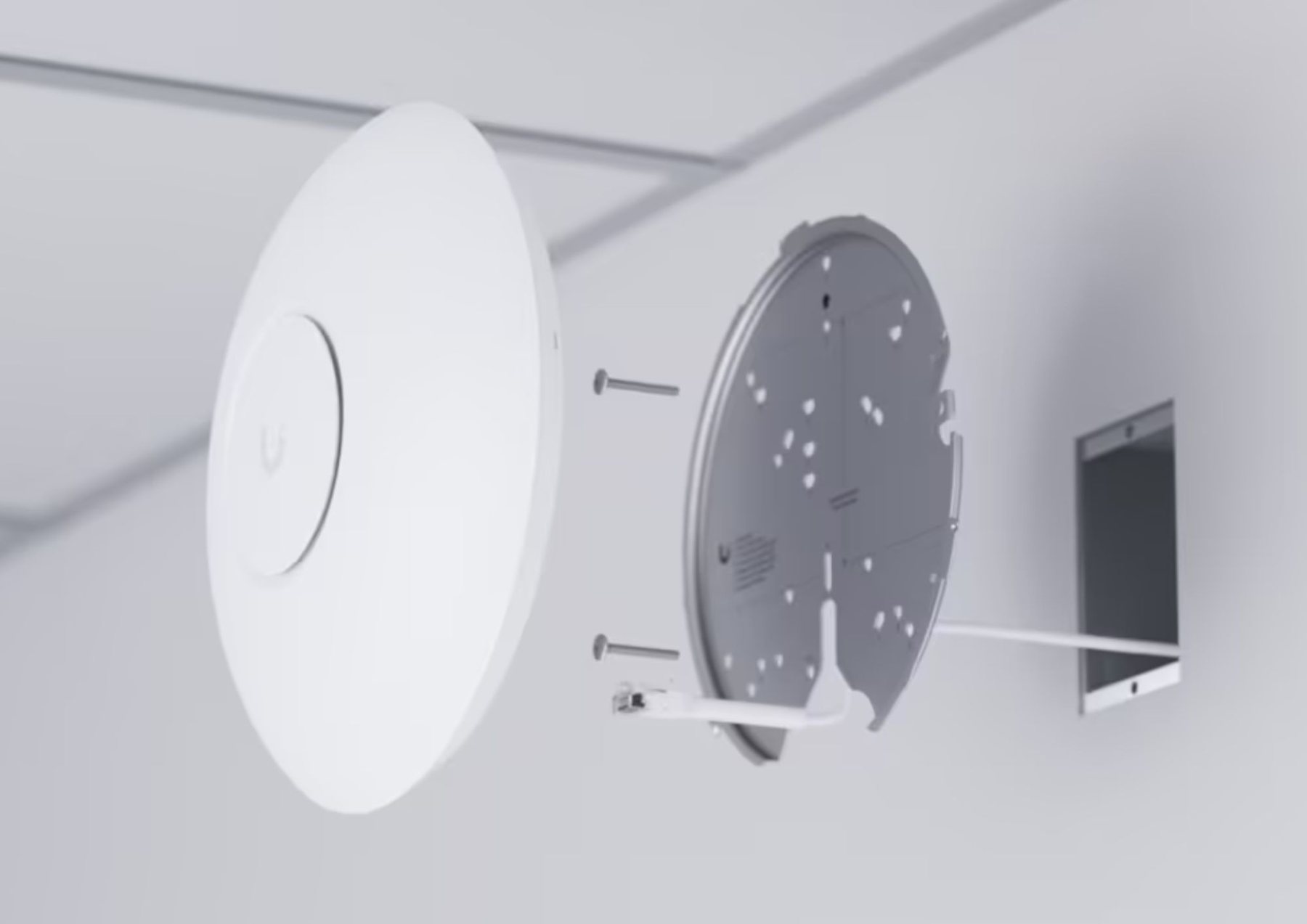
Access points connect back to the network through Ethernet, fiber, or a deliberate wireless uplink.
Wired backhaul provides the most predictable result.
Roaming and network names
Consumer extenders may create separate names or inconsistent roaming.
Managed access points can use consistent networks and coordinated settings.
Capacity and latency
Repeated wireless hops share spectrum and can increase latency.
Access points with wired backhaul preserve more capacity.
When extenders are acceptable
An extender may be a temporary low-cost fix for light use.
Permanent homes, businesses, cameras, and workspaces benefit from proper access points.
Serving Northern Colorado
Berthoud WiFi is based in Berthoud and serves Loveland, Fort Collins, Longmont, Erie, Boulder, Windsor, Johnstown, Timnath, Mead, Frederick, Firestone, Wellington, Greeley, and nearby communities.
Frequently asked questions
Will an extender increase internet speed?
It may improve signal in one area but cannot exceed the quality of its upstream connection.
Can access points use the same WiFi name?
Yes.
Do access points require cable?
Wired backhaul is preferred, though some can mesh wirelessly.
Are extenders bad?
Not always, but they are often a compromise.
Related resources
Need help choosing or installing the right system?
Tell us about the property, current equipment, and what needs to work better.
Request a Quote