
How Many Ethernet Drops Should a New Custom Home Have?
Plan Ethernet drops for a new custom home, including access points, offices, televisions, cameras, doorbells, outdoor areas, racks, and future conduit.
Plan Ethernet drops for a new custom home, including access points, offices, televisions, cameras, doorbells, outdoor areas, racks, and future conduit.
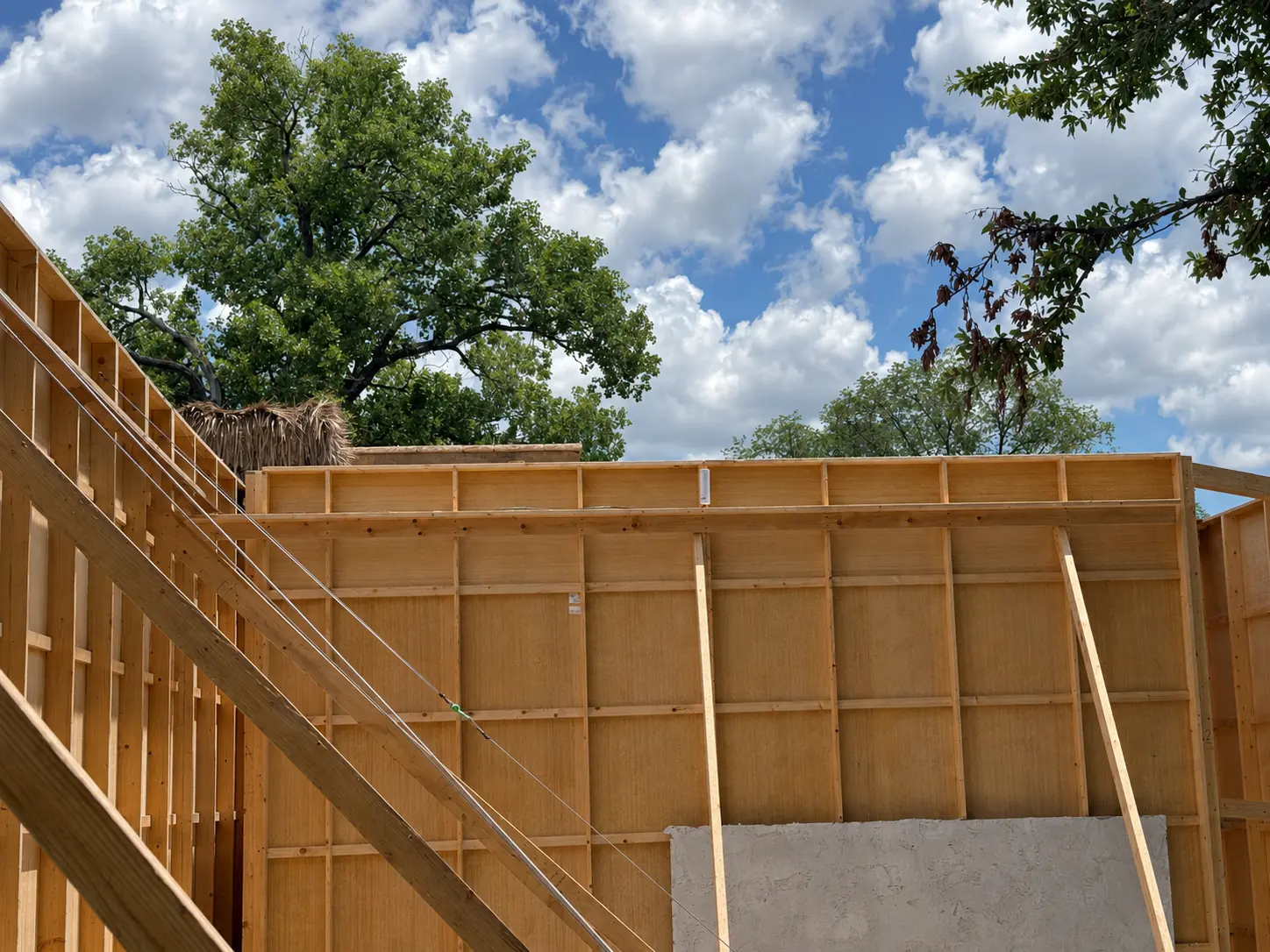
There is no universal Ethernet-drop count for a custom home. A better plan starts with rooms, devices, coverage, and future pathways. A modest home may need a dozen carefully chosen runs. A larger custom home with cameras, multiple offices, outdoor living, and detached structures may need several dozen.
Include wired WiFi access points, workstations, televisions, gaming areas, printers, cameras, doorbells, intercoms, touch panels, audio equipment, gates, garages, and outbuildings. Many of those locations use PoE, so the central switch and power budget matter as much as the cable count.
Two or more runs create flexibility for a computer, phone, television, streaming device, small switch, or future equipment. Dedicated wired access points and cameras should normally have their own home runs to the network location.
Ceiling access-point locations are far easier to wire before drywall. Patios, pools, driveways, gates, soffits, garages, and shops should be included in the same property-wide plan.
Conduit can be more valuable than guessing at every future cable. Consider pathways from the service entrance to the rack, from the rack to attic or crawlspace areas, and toward gates or detached buildings.
Berthoud WiFi reviews plans with builders and homeowners through our custom-home low-voltage pre-wire service. The result is a labeled plan tied to the home’s actual technology goals.
Tell us about the property, the problem areas, and what you need the network to support.
Share the property, the problem areas, and what you need the network to support. We will review the details and follow up with practical next steps.