
How to Pre-Wire a New Home for Security Cameras
Plan PoE security camera cabling before drywall, including driveway, entry, gate, garage, yard, recorder, lighting, mounting, and future camera locations.
Plan PoE security camera cabling before drywall, including driveway, entry, gate, garage, yard, recorder, lighting, mounting, and future camera locations.
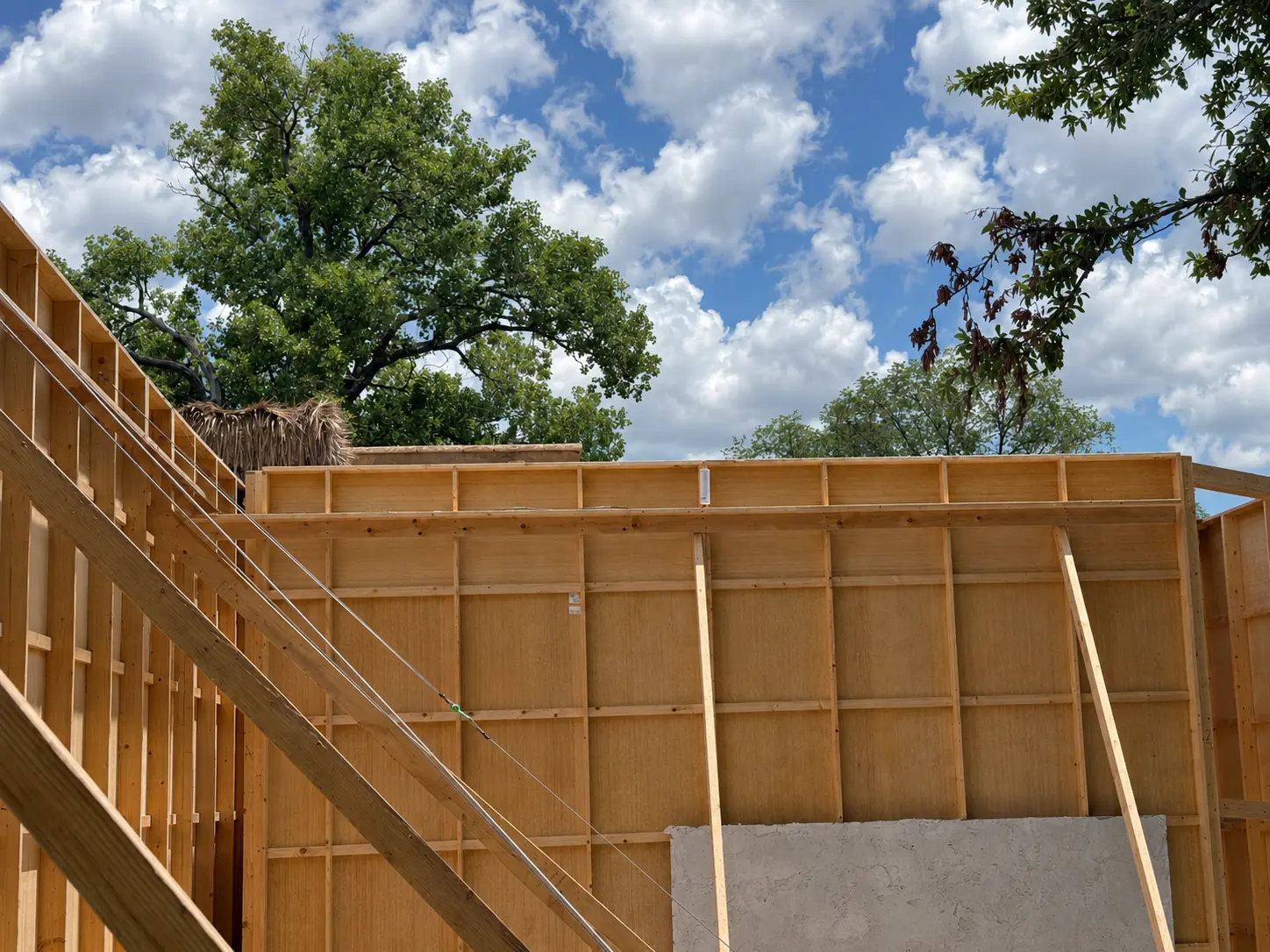
Camera pre-wire is most effective when it begins with the views the homeowner will need, not a fixed number of generic soffit locations. A camera should either identify, observe, or provide context for a specific area.
Walk through arrivals, packages, vehicles, visitors, backyard access, garages, gates, equipment, and detached structures. Decide where identification matters and where a wider overview is enough.
Stone, stucco, siding, soffits, lighting, gutters, rooflines, and landscaping affect the final field of view and service access. Cable locations should leave room for a proper mount and weather-protected termination.
PoE camera cabling should terminate at the planned rack or recorder location. Confirm PoE switch capacity, UPS protection, ventilation, recorder storage, and an internet path for remote viewing.
Long distances may need fiber, a wireless bridge, local power, and a remote PoE switch. Conduit installed during site work can preserve options for future cameras, intercoms, and access control.
Document each route and leave clear labels at both ends. Spare cable or conduit at likely future locations can be a small investment compared with reopening finished walls.
Berthoud WiFi combines camera installation with builder pre-wire coordination so the network, storage, and property links are planned together.
Tell us about the property, the problem areas, and what you need the network to support.
Share the property, the problem areas, and what you need the network to support. We will review the details and follow up with practical next steps.